
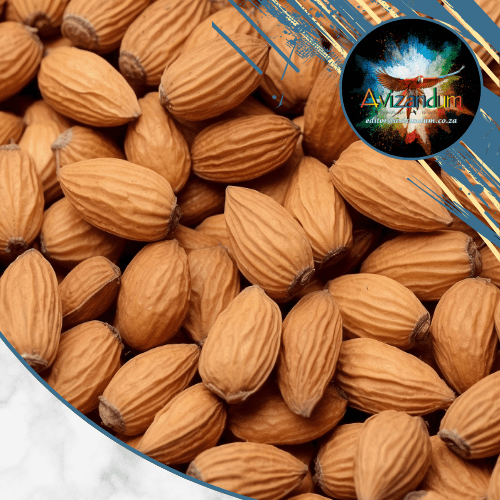
AVIZANDUM: Recommended Almond Nut Quantity for Parrots (Per Week)
Almonds are one of the most popular nuts offered to parrots due to their nutritional value, crunchy texture, and high acceptance among many species. Rich in vitamin E, healthy fats, protein, magnesium, and calcium, almonds can be an excellent enrichment treat when fed correctly. However, because almonds are still relatively high in fat, they should always be offered in moderation as part of a balanced diet. (Avizandum Birdkeeping Magazine)
When fed responsibly, almonds can support feather condition, energy levels, and natural foraging behaviour in parrots.
Small Birds
Budgies, Lovebirds, Parrotlets, Cockatiels, Bourkes, and small conures (such as Green-cheeked Conures)
Small parrots require only tiny quantities due to their body size and lower energy requirements.
Recommended quantity:
- ¼ to ½ almond, once or twice per week
- Alternatively, offer small slivers during training sessions
Because almonds are nutrient dense, even a small amount provides significant nutritional value.
Medium Birds
Ringneck Parakeets, Quakers (Monks), Alexandrines, Sun and Jendaya Conures, Princess of Wales Parakeets, Rosellas, Senegal and Jardine’s Parrots
Medium-sized parrots generally handle almonds well and often enjoy cracking pieces apart during enrichment activities.
Recommended quantity:
- ½ to 1 almond, once or twice per week
Breaking almonds into smaller pieces can help prevent overeating while encouraging interactive feeding behaviour.
Large Birds
African Greys, Amazons, Cockatoos, Eclectus Parrots, and Macaws
Larger parrots can safely consume slightly more almonds, especially active species with higher caloric needs.
Recommended quantity:
- 1–2 almonds per week
- Ideally divided across multiple days
Even for larger species, almonds should remain a treat rather than a staple food item.
Important Notes for Feeding Almonds to Parrots
- Always feed plain, raw, unsalted, and unflavoured almonds
- Avoid roasted almonds containing oils, salt, flavourants, or preservatives
- Almonds should never replace a balanced diet consisting of:
- High-quality pellets
- Fresh vegetables
- Sprouts and grains
- Controlled seed intake (Avizandum Birdkeeping Magazine)
- Excessive almond consumption may contribute to:
- Obesity
- Fatty liver disease
- Nutritional imbalance
- Almonds are best used for:
- Training rewards
- Bonding
- Enrichment activities
- Encouraging natural foraging behaviour
Are Almonds Safe for Eclectus Parrots?
Eclectus parrots are particularly sensitive to rich and fatty foods. While almonds are not toxic, they should be offered only occasionally and in very small portions for this species.
In summary, almonds can be a nutritious and enriching treat for parrots when fed responsibly. Portion control remains essential, and almonds should always complement a varied and balanced avian diet rather than replace it. (Avizandum Birdkeeping Magazine)


