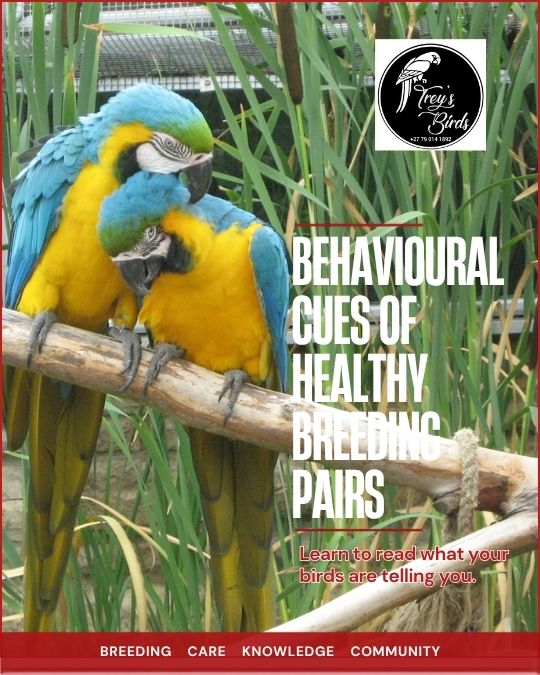
ANNUAL HEALTH AUDITS FOR AVIARIES
Successful bird breeding depends on far more than good feeding and nest boxes. Healthy breeding programs are built on consistent management, observation, and preventative care. One of the most effective ways to maintain a healthy aviary is through regular health reviews, often referred to as annual health audits.
An annual health audit is a structured evaluation of the aviary’s overall condition. It allows breeders to review bird health, hygiene practices, feeding systems, housing conditions, and biosecurity measures. Rather than waiting for problems to appear, this approach focuses on prevention and early detection.
For both small backyard aviaries and larger breeding facilities, conducting a yearly health check of the entire setup can greatly improve long-term breeding success.
*Why Health Audits are lmportant*
Many problems in aviaries develop slowly over time. Issues such as poor ventilation, minor hygiene lapses, nutritional imbalances, or unnoticed parasites may not be obvious at first. Over months these small issues can eventually affect breeding performance and bird health.
A structured annual review allows breeders to identify and correct these problems before they become serious.
Benefits of regular health audits include:
- Early detection of health issues
- Improved hygiene standards
- Better breeding performance
- Reduced disease outbreaks
- Stronger overall flock health
Preventative management is always easier and more effective than treating disease after it appears.
*Reviewing Bird Condition*
A key part of an aviary health audit is evaluating the condition of the birds themselves.
Breeders should assess:
- Body condition and weight
- Feather quality and cleanliness
- Activity levels
- Breeding performance during the season
- Mortality rates or unexplained losses
Healthy birds typically display bright eyes, clean feathers, strong appetite, and normal activity.
Any unusual changes should be noted and investigated.
*Monitoring Breeding Results*
Breeding results can provide valuable clues about the health of an aviary.
During the annual review breeders should consider:
- Number of eggs produced
- Hatch rates
- Chick survival rates
- Growth and development of young birds
- Fertility levels
Poor hatch rates or weak chicks can sometimes indicate nutritional issues, disease exposure, or environmental stress.
Tracking these trends helps breeders improve future breeding seasons.
*Checking Aviary Hygiene*
Cleanliness is one of the most important factors in disease prevention.
During an annual health audit breeders should review cleaning practices, including:
- Cage cleaning schedules
- Removal of droppings and waste
- Disinfection routines
- Condition of feeding and water containers
Equipment that is cracked, heavily worn, or difficult to clean should be replaced.
Good hygiene reduces the buildup of bacteria, fungi, and parasites.
*Evaluating Food and Water Systems*
Food and water are essential for bird health and must be carefully managed.
Breeders should review:
- Quality and freshness of seed or pellets
- Storage conditions for feed
- Cleanliness of food bowls
- Water supply and hygiene
Old or poorly stored seed can develop mold or attract pests, which may affect bird health.
Fresh, clean water must always be available.
*Inspecting Aviary Structure*
The physical structure of the aviary should also be inspected during a health audit.
Important checks include:
- Condition of mesh and wire
- Stability of frames and supports
- Security of doors and locks
- Signs of rust or damage
- Roof condition and weather protection
Damaged structures may allow predators, rodents, or wild birds to enter the aviary.
Maintaining the structure protects both birds and the breeding environment.
*Ventilation and Environmental Conditions*
Proper airflow and environmental stability are essential for bird health.
During the audit, breeders should evaluate:
- Air circulation within the aviary
- Humidity levels
- Temperature extremes during different seasons
- Sun exposure and shade areas
Poor ventilation can lead to respiratory issues and increased disease risk.
*Parasite Control Review*
External and internal parasites can spread quietly through an aviary if not properly monitored.
Breeders should review their parasite control program, including:
- Monitoring for mites or lice
- Regular nest box inspections
- Fecal testing when possible
- Preventative treatments where appropriate
Maintaining a consistent parasite management plan helps protect the flock.
*Biosecurity Practices*
Biosecurity refers to measures that prevent disease from entering or spreading within an aviary.
Key practices to review include:
- Quarantine procedures for new birds
- Visitor access to the aviary
- Cleaning and disinfection of equipment
- Separation of sick birds
Strong biosecurity reduces the risk of introducing infectious diseases.
*Record Keeping*
Accurate records are extremely valuable during health audits.
Breeders should maintain records of:
- Breeding pairs
- Hatch results
- Illnesses or treatments
- Mortality events
- New birds introduced to the aviary
Good records help identify long-term trends and guide better management decisions.
*When to lnvolve a Veterinarian*
While many aspects of a health audit can be done by the breeder, professional veterinary input can also be helpful.
An avian veterinarian may assist with:
- General health evaluations
- Disease testing
- Parasite screening
- Nutritional advice
Regular veterinary guidance can improve long-term flock health.
*Making lmprovements After the Audit*
The most valuable part of an annual health audit is acting on the findings.
After reviewing the aviary, breeders should identify areas that require improvement and make practical adjustments before the next breeding season.
Small changes, such as improving ventilation, replacing equipment, or adjusting feeding practices, can significantly improve results.
*Final Thoughts*
An annual health audit is a proactive approach to aviary management. By reviewing bird health, housing conditions, hygiene, and management practices each year, breeders can identify potential risks before they affect the flock.
Healthy aviaries do not happen by chance. They are the result of careful observation, good management, and consistent preventative care.
Regular health audits help ensure that breeding birds remain strong, productive, and capable of raising healthy chicks year after year.
*Disclaimer*
*_The information shared in this Trey’s Birds Educational Series is for educational purposes only and does not replace professional advice, diagnosis, or treatment from a qualified South African veterinarian. Always consult a registered avian vet for any medical concerns regarding your birds._*
*A Treys Birds Initiative – _Promoting Ethical Aviculture & Education Across South Africa _*